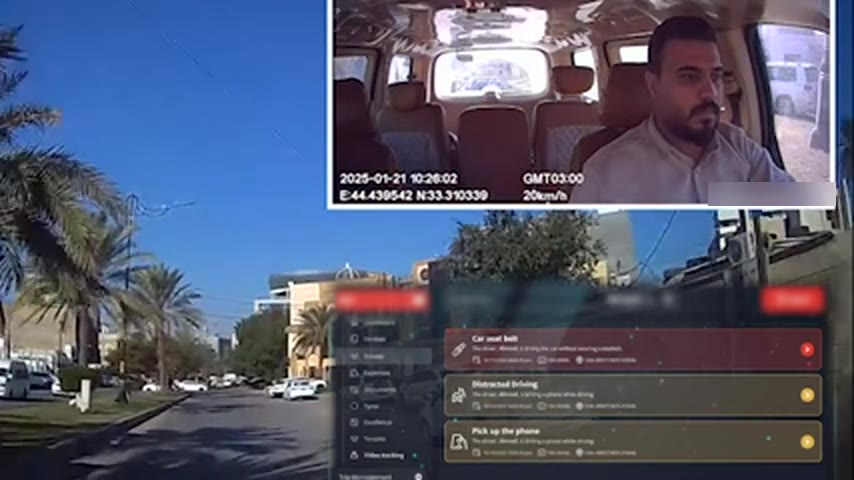
For most fleets, fuel is the biggest running cost after salaries. It is also the easiest one to lose without noticing: a few litres at a time, spread across dozens of vehicles and hundreds of trips.
None of it shows up on a single receipt. That is why fuel problems survive for months, and why the fleets that control fuel best are simply the ones that can see it.
01Start by measuring
You cannot manage what you cannot see. The first step is a clear record of fuel for every vehicle: what went into the tank, what it cost, and how far the vehicle went on it.
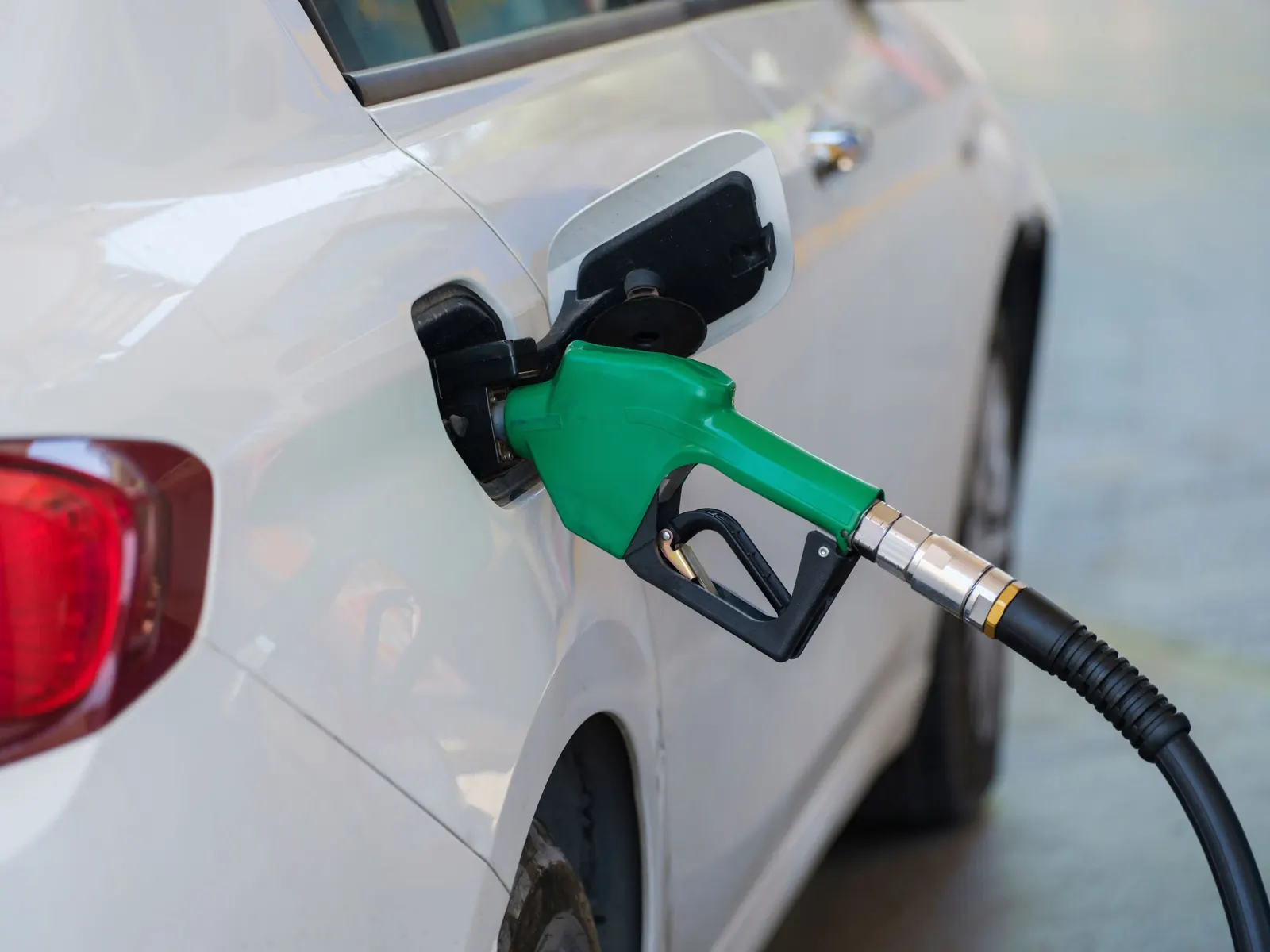
Once fuel is on record, the questions become simple. Which vehicles use the most? Which routes? And does the fuel bought match the distance driven?
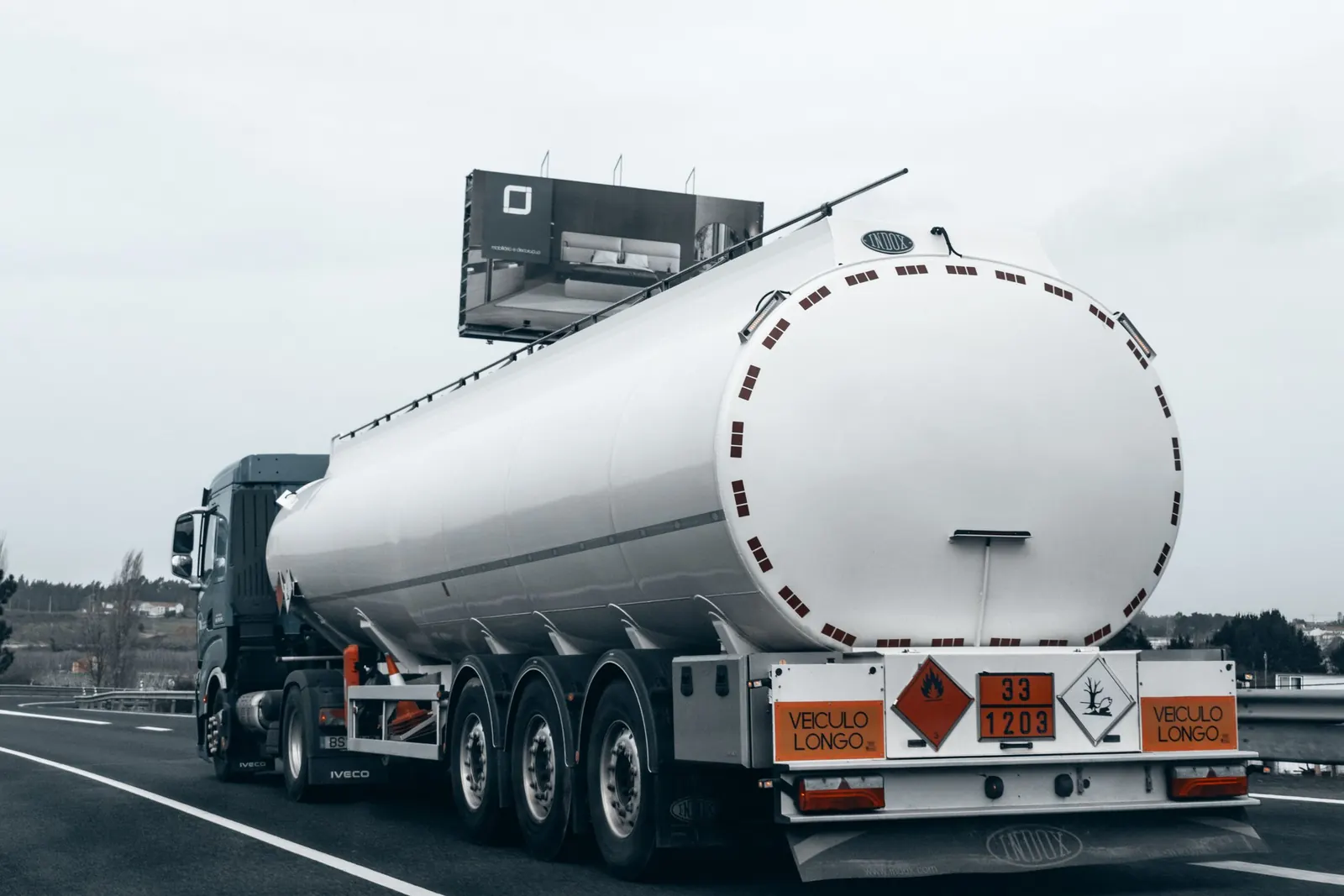 On the platformFuel managementSee refills, unusual drops and what fuel really costs you, per vehicle and for the whole fleet.yamme.iq
The fleets that control fuel best are not the ones that try hardest. They are the ones that can see it.
02Spot what does not add up
With a few weeks of records, three kinds of problem start to stand out. Each one is worth a question, and most have a simple answer.


A refill that looks too large
When a refill is bigger than the tank should take, the receipt and the vehicle do not agree. Ask why.
Fuel that disappears while parked
Fuel should not drop while a vehicle is standing still. When it does, you want to know that night, not at the end of the month.
One vehicle that uses far more than its twins
Two identical vehicles on similar routes should use similar fuel. A big gap usually points to a habit, a fault or a leak.
03Habits that cut fuel use
Most savings do not come from catching theft. They come from small habits, repeated every day, across every driver.
- Cut idling at depots and stops
- Keep speeds steady on open roads
- Plan shorter routes between jobs
- Service vehicles on time
- Check tyre pressure every week
- Review fuel every week, not every year


04Know what each vehicle costs you
Put a price on each refill and you can see the true running cost of every vehicle, every route and every month. That is when fuel stops being a guess and becomes a number you can manage.