

Vehicles and crews safe across remote fields.
Keep vehicles and crews safe across remote fields, long roads and restricted sites.
How GPS tracking works in oil and gas.
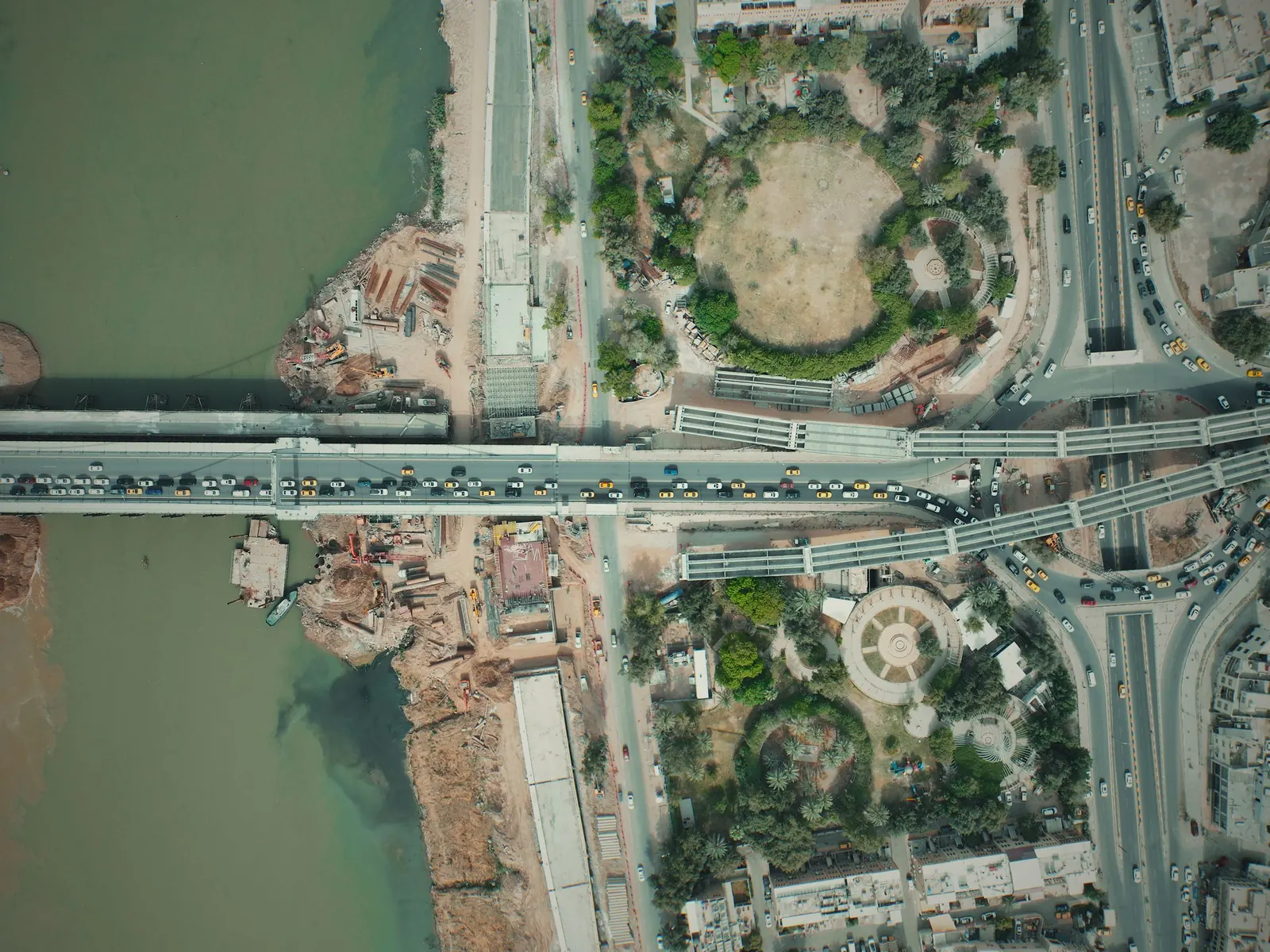
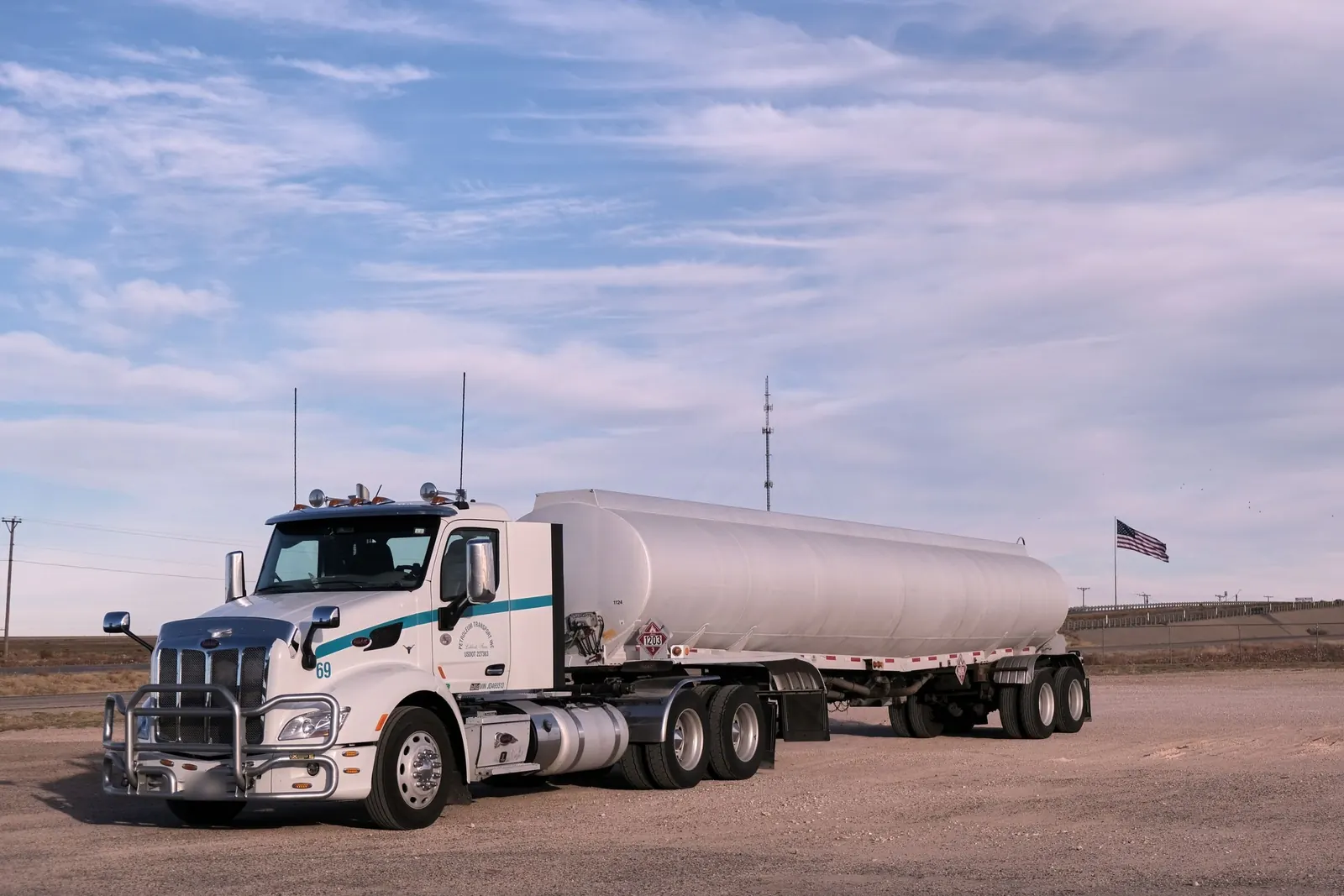
Driving is one of the biggest safety risks in oil and gas, and crews cover desert roads to remote fields, so tracking every vehicle is central to safe operations.
- 01
Journey management
Trips to fields and well sites are followed from departure to arrival, so a coordinator knows at once if a vehicle stops somewhere unexpected.
Live tracking - 02
Lone worker safety
A panic button sends the control room the exact location of a worker alone at a remote site, so help can go straight to them.
Personnel safety - 03
Speed and driver behaviour
Speeding, harsh braking and long driving hours on desert highways are recorded per driver, so safety teams can correct risky habits early.
Drivers and safety - 04
Tracking field equipment
Trailers, generators and tanks left at remote sites are tracked, with an alert if any leaves its site or moves outside working hours.
Assets & construction
The parts of Yamme that do the work.
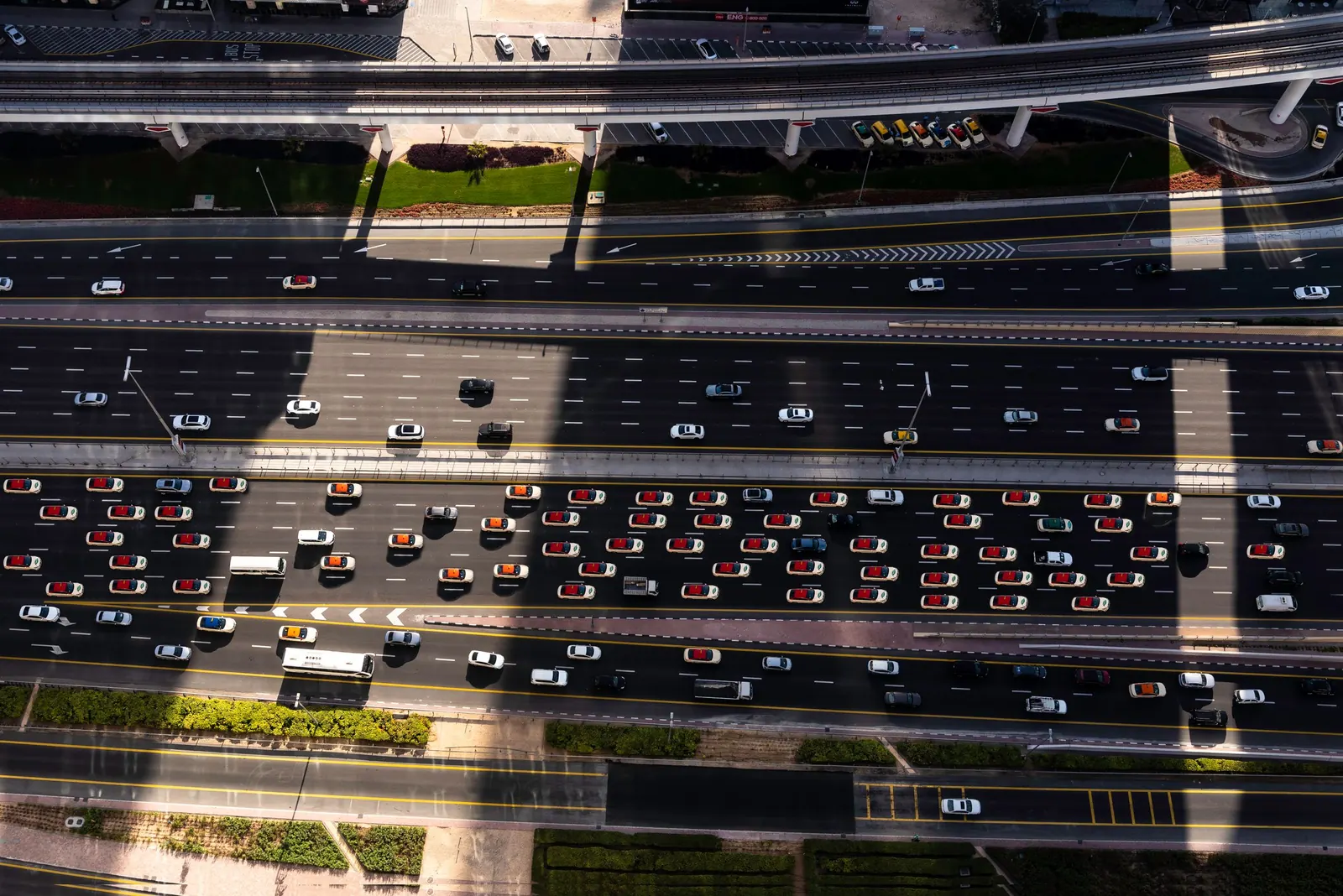 SeeLive trackingEvery vehicle visible, wherever the field road goes.
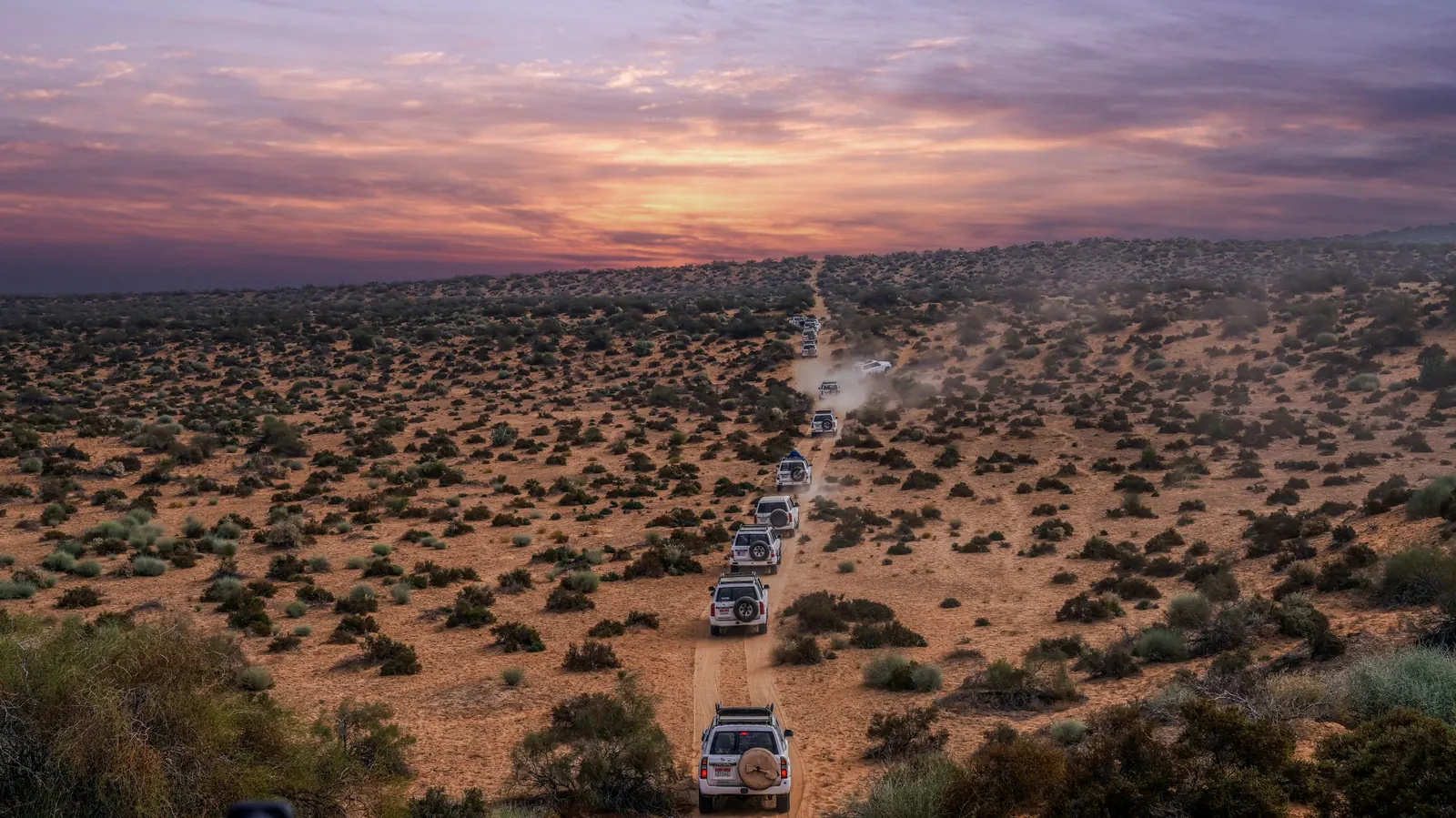 SeeGeofencesSite boundaries and restricted areas, watched.
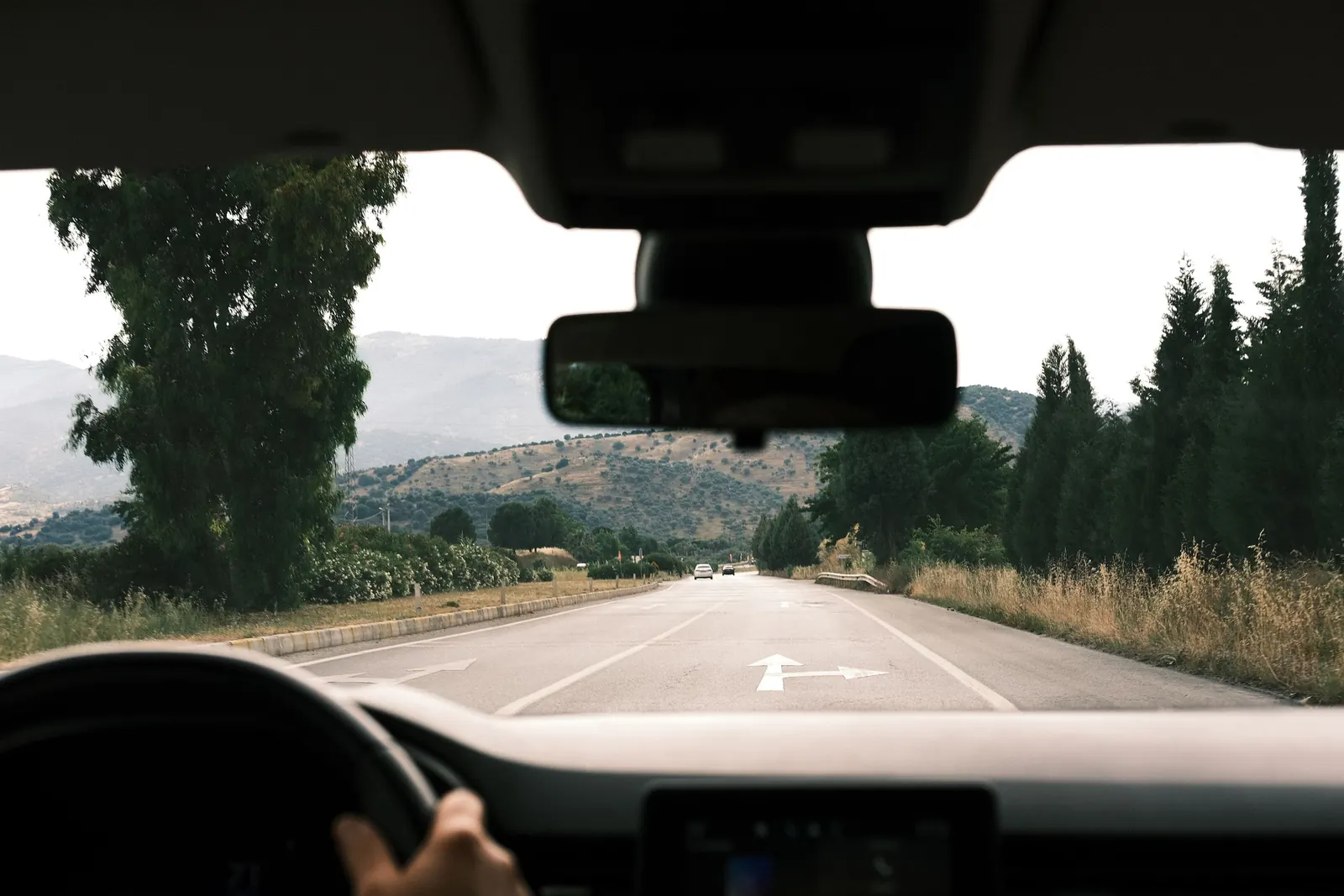 ProtectDrivers and safetySafe speeds on field roads, fairly measured.
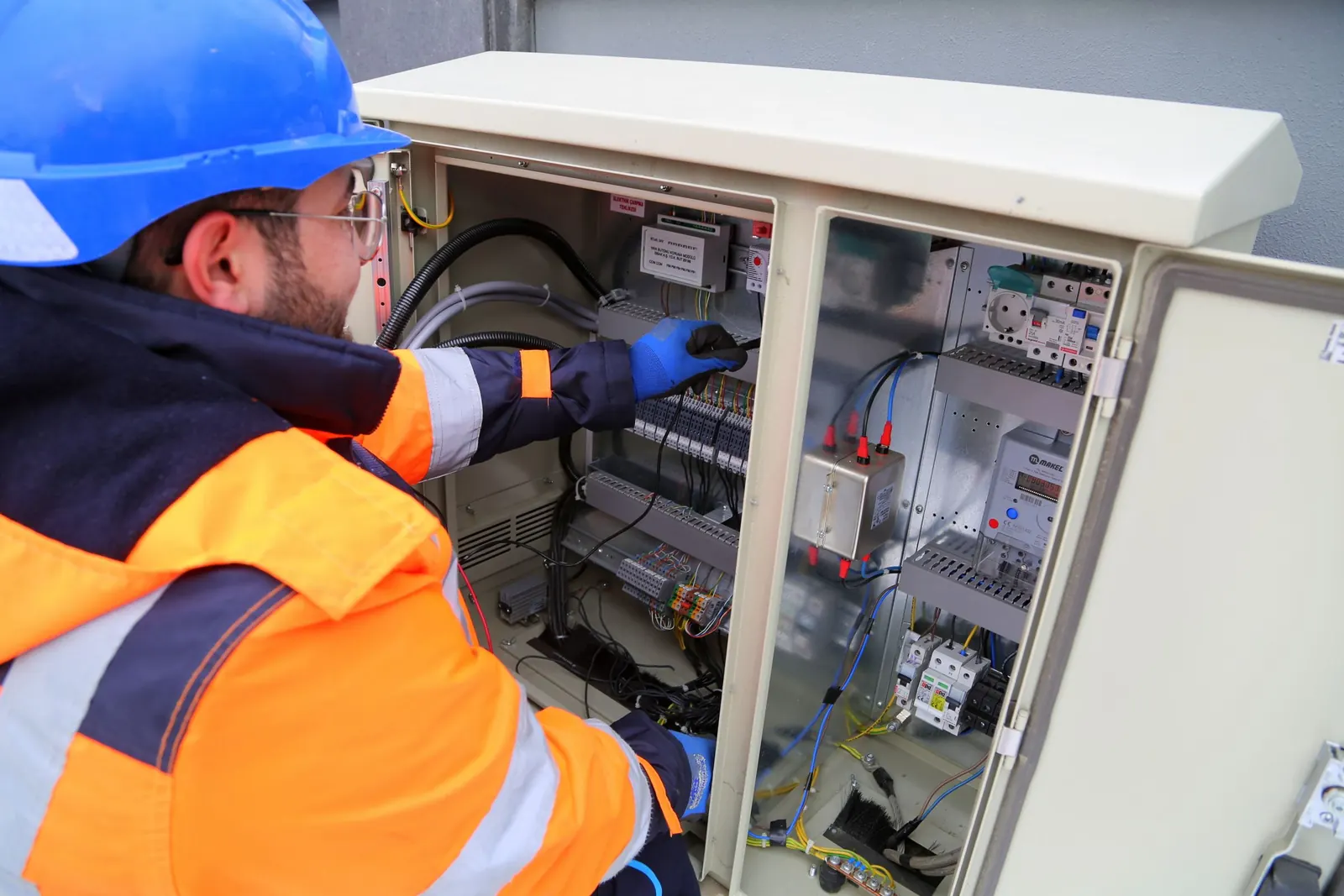 ProtectPersonnel safetyOne-press SOS for crews in the field.
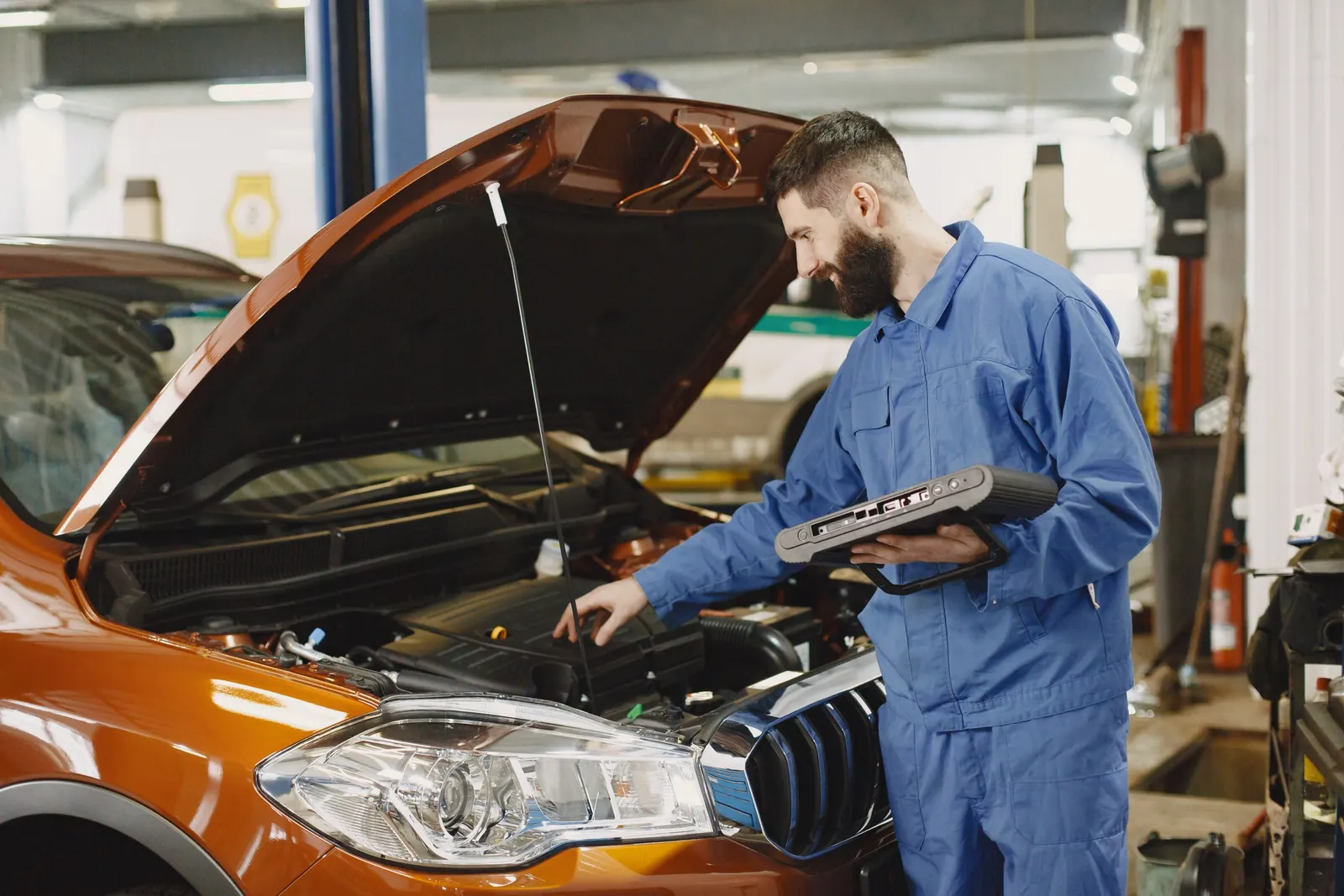 SaveEngine healthEarly warnings before a breakdown far from help.
See it with your own vehicles
Tell us about your fleet and we will arrange a free demo.